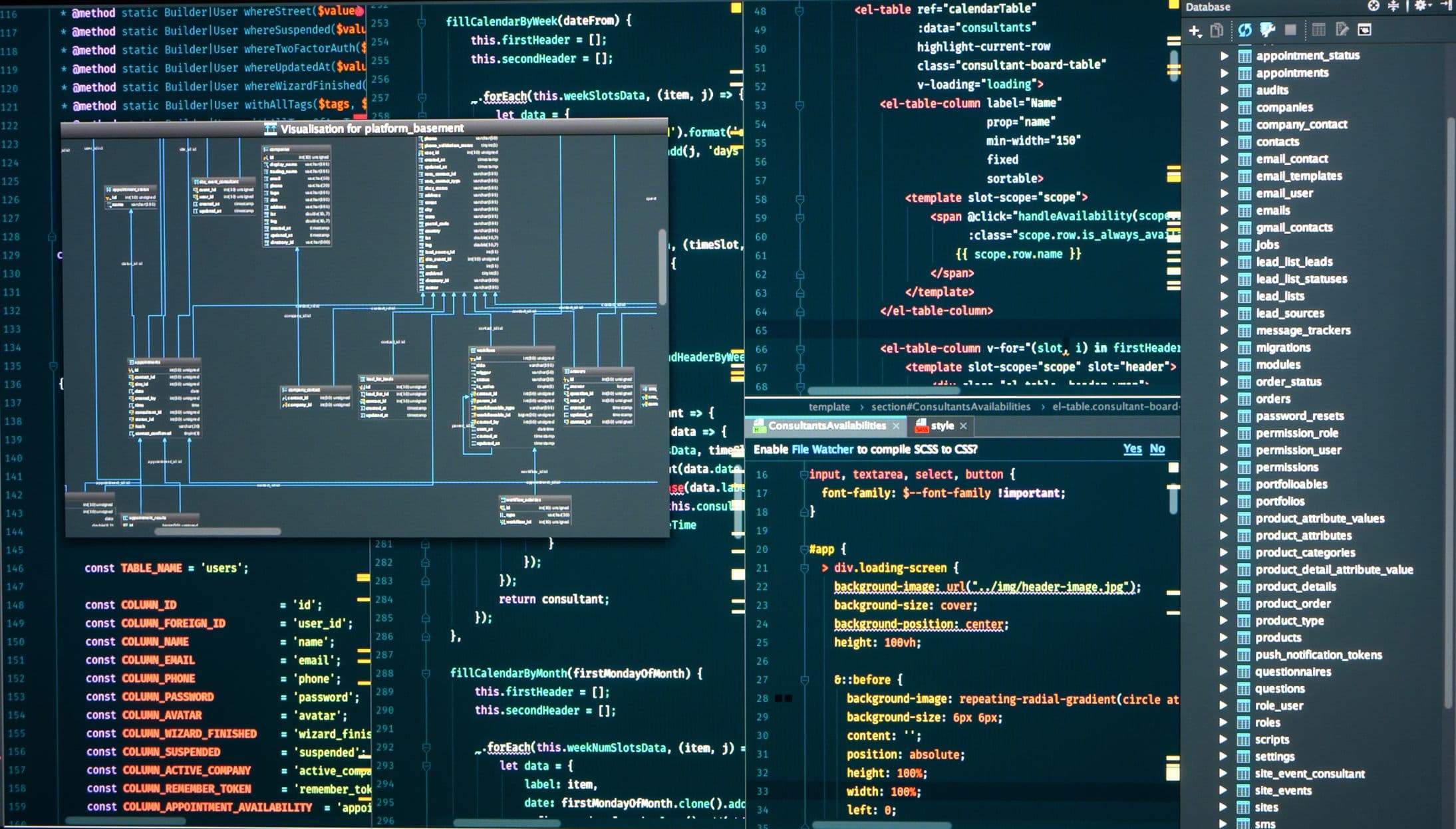

As artificial intelligence becomes a foundational layer in modern enterprises, the question is no longer “Should we use AI?”—but rather: “Is our backend ready to support AI effectively?” An AI-ready backend isn’t just a technical asset—it’s the backbone of scalability, performance, data security, and business agility.
This post explores what makes a backend truly “AI-ready” and how to build an infrastructure that supports seamless, scalable AI integration from the ground up.
What Does It Mean to Have an AI-Ready Backend?
An AI-ready backend is a server-side infrastructure that can:
- Ingest, process, and deliver large volumes of data to AI models
- Support real-time and batch inference workflows
- Handle asynchronous processing and concurrent requests efficiently
- Integrate with major ML serving environments (TensorFlow Serving, PyTorch, ONNX Runtime, Hugging Face Inference)
Core Components of an AI-Ready Backend
1. Database and Data Pipeline
- PostgreSQL or NoSQL (e.g., MongoDB) for flexible data storage
- ETL workflows for data cleaning, normalization, aggregation
- Scalable input/output handling for inference
2. Asynchronous API Architecture
- FastAPI, Node.js, or Go for high-speed REST or GraphQL endpoints
- Celery + Redis or RabbitMQ for background task management
- Features like rate limiting, authentication, and logging
3. Model Integration and Execution
- Model deployment via Docker, Kubernetes, or serverless (AWS Lambda)
- Model-specific endpoints:
/predict,/explain,/feedback - Monitoring for latency, accuracy, and error rates
4. Security and Version Control
- OAuth2 or JWT-based token authentication
- Model versioning for rollback or A/B testing
- Compliance support (e.g., GDPR, EU AI Act)
What to Consider During Design Phase
- AI workload forecasting – How frequent and large are inference tasks?
- Latency tolerance – Critical in apps like chatbots or recommendation engines
- Model update flexibility – Can new models deploy without downtime?
- Scalability – Horizontal (pods) or vertical (GPU-based) scaling
When Is a Backend Not AI-Ready?
- No support for real-time inference via API
- Reloading the model with every request
- No infrastructure for scheduled or streaming batch predictions
- Lack of monitoring, observability, and feedback loops
Final Thoughts
The power of AI isn’t just in the model—it’s in how well that model can be integrated, served, and scaled. An AI-ready backend is like a strong backbone: invisible, but it holds everything up.
Want your backend to do more than just run AI models—want it to make them work for your business?
📩 Let’s talk. We’ll help you build the infrastructure that supports intelligent decisions.