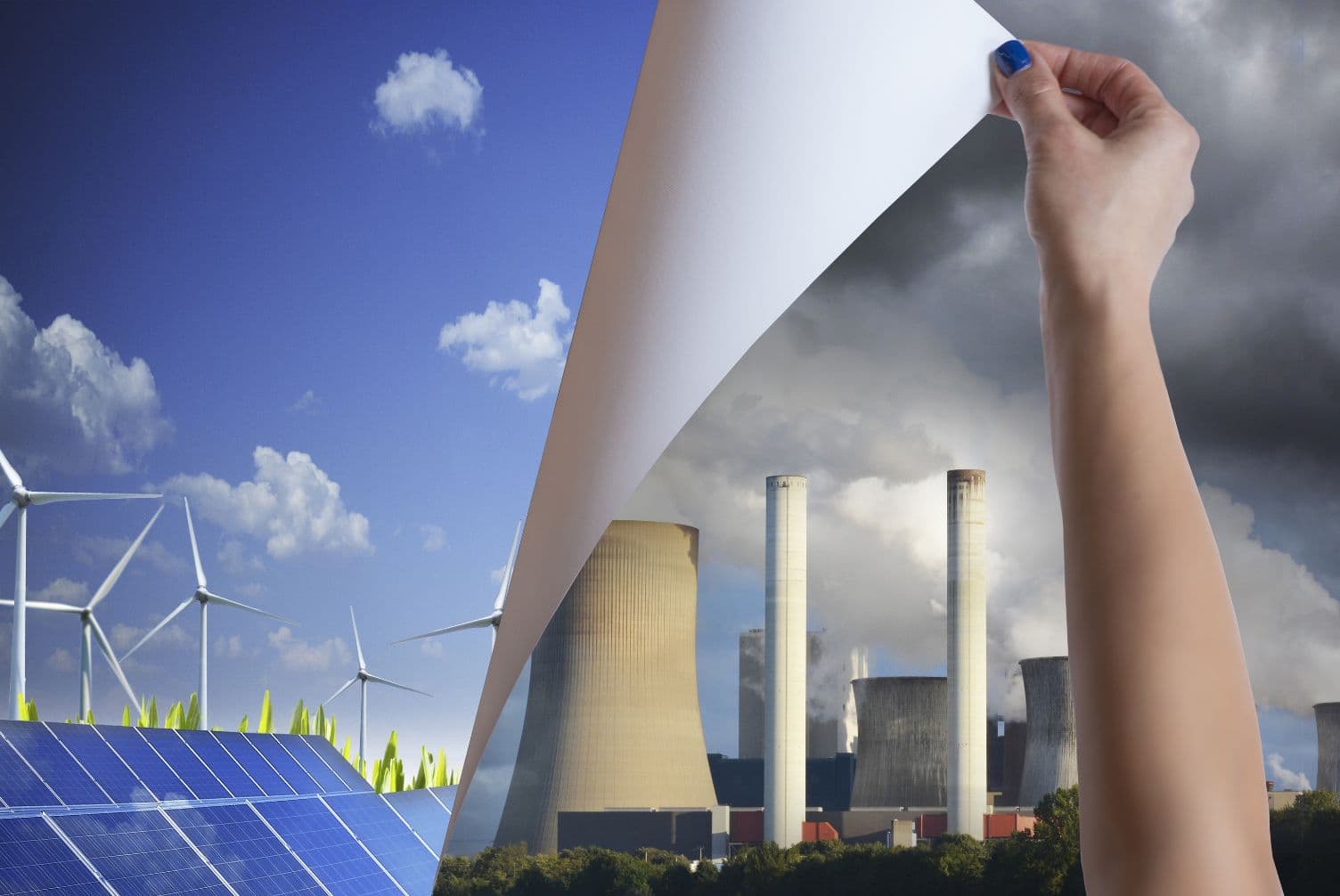

The global demand for energy is constantly rising, and the need for sustainability drives innovation in the energy sector. Artificial Intelligence offers tools that can revolutionise energy storage, renewable energy integration, and consumption forecasting. By leveraging AI, energy supply becomes not only more efficient but also more environmentally friendly, supporting the vision of a greener future.
In this blog, we explore how AI supports the optimisation of sustainable energy sources and the development of modern energy systems.
1. The Role of AI in Optimising Energy Storage
Renewable sources like solar and wind have variable production rates, making efficient energy storage crucial.
How does AI improve energy storage?
- Optimising charging/discharging: Dynamically manages batteries to maximise utilisation.
- Extending lifespan: Predicts failures and enables timely maintenance.
- Maximising capacity: Analyses demand patterns to optimise storage and release.
2. Integrating Renewable Energy Sources
AI helps overcome the variability of solar and wind by seamlessly integrating them into grids.
Solutions include:
- Weather forecasting: Accurate predictions for production planning.
- Grid balance: Continuous monitoring to reduce overload and waste.
- Automated distribution: Smartly allocates renewable energy to regional demand.
3. Forecasting Consumption and Enhancing Efficiency
AI also plays a vital role in consumption analysis, reducing waste and costs.
How AI assists:
- Real-time monitoring: Tracks usage in households, industries, and public services.
- Predictive models: Uses historical data and external factors for precise forecasts.
- Personalised advice: Suggests optimised consumption patterns for consumers.
4. AI and the Future of Sustainable Energy
AI will shape the next generation of energy systems.
Future expectations:
- Automated grids: Fully self-managed production, storage, and distribution.
- Individual energy management: Empowering households and businesses with smarter self-production.
- Global efficiency: Supporting international sustainability and climate goals.
Conclusion
AI is fundamental to optimising sustainable energy—from storage to integration and forecasting. These intelligent systems enable efficiency, reduce waste, and drive greener futures.
📩 Contact us today at info@syntheticaire.com to learn how AI can optimise your energy projects.
Because the future of energy lies in intelligent technologies.