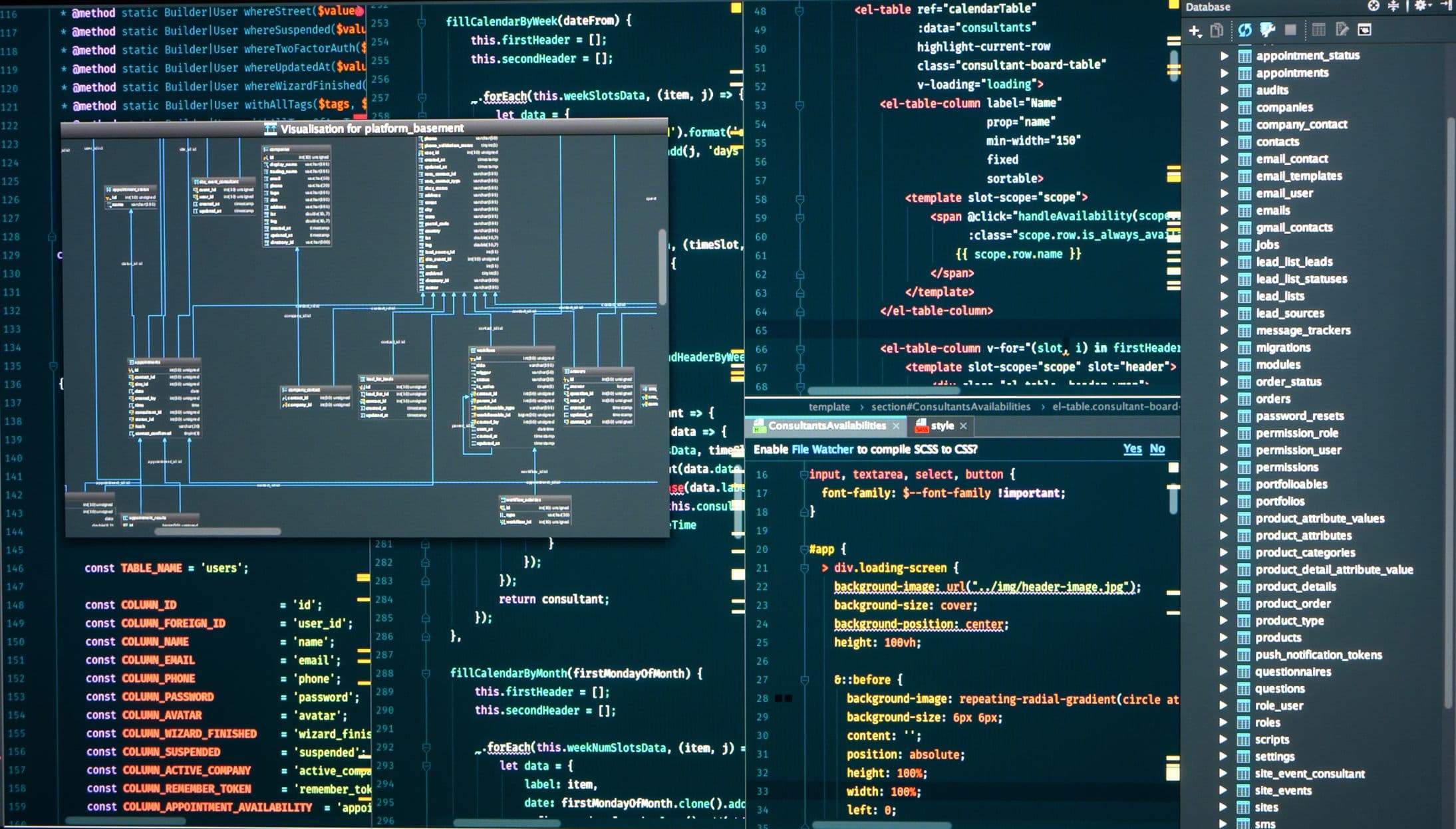

In the early stages of successful growth, every enterprise moves along a path driven by operational necessity. As new clients sign on and operations complicate, new software applications inevitably enter the mix. Marketers set up an email delivery platform, sales reps launch a CRM, logistics implements an invoicing tool, and finance insists on their dedicated accounting software. Every department receives its specialized tool, and management rests easy, believing that digitalization is progressing.
The trouble begins when the company's scale hits a critical mass, and growth suddenly grinds to a halt. Processes slow down, error rates spike, and leadership is left perplexed: we purchased the most expensive software on the market, so why is the system failing?
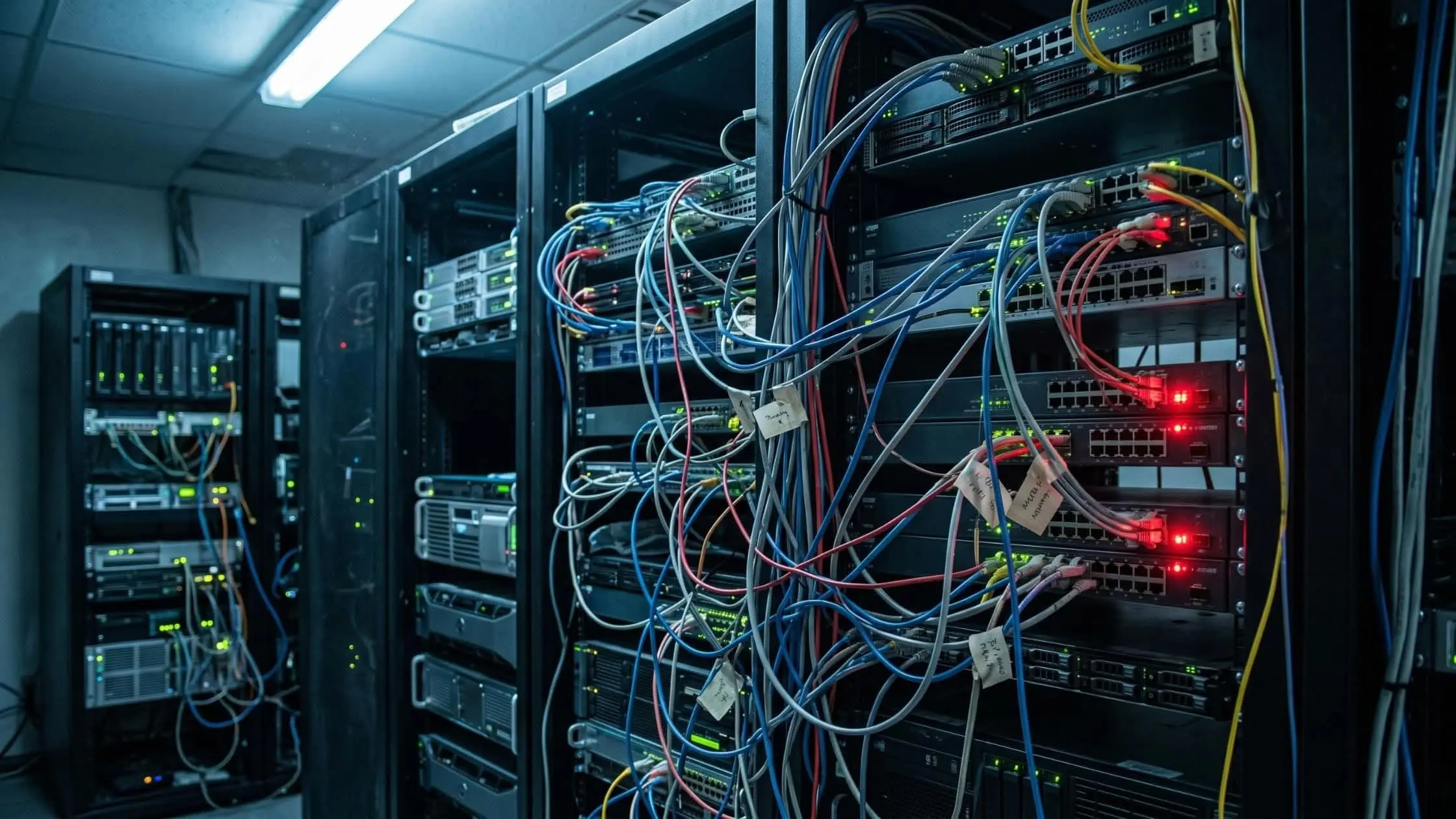
The answer lies within the invisible fault lines of the digital architecture. The issue is rarely the quality of the individual software applications, but rather the fact that these systems operate in complete isolation from one another. This is integration chaos. It is a silent, internal productivity killer that doesn't manifest as dramatic system crashes, but instead drains the enterprise’s energy, time, and profits day after day, minute by minute.
The Digital Tower of Babel: When Systems Don't Talk
Consider an enterprise where employees across departments simply refuse to speak to one another. If logistics requires data from sales, instead of accessing it at the press of a button, they write it down on paper and send it via courier to be manually re-entered on the other side. No rational business leader would tolerate such behavior from flesh-and-blood staff.
Yet, within the digital infrastructure, this exact scenario plays out daily.
When integration between systems is absent, software applications remain oblivious to each other's data. A sales representative closes a deal in the CRM, but the invoicing system receives no notification. The warehouse manager sees that an item is out of stock, but the e-commerce platform continues to accept orders. The enterprise becomes a digital Tower of Babel, where every program speaks its own isolated language, and information stops flowing, becoming trapped at departmental borders instead.
The Cost of Human Integration: Patching Systems by Hand
The communication gaps between software tools must be bridged by someone. Because the technology fails to do so, the burden falls on the workforce. This is what we call "human integration"—utilizing flesh-and-blood employees to act as digital glue between disjointed systems.
Look at a typical workday inside a growing firm. Employees spend thirty to forty percent of their time on tasks like manually copying data from one window to another, exporting and importing Excel files, and fixing trailing errors.
This approach is not only staggeringly slow, but it also introduces massive operational risk. Wherever manual data entry exists, human error is an absolute statistical certainty. A mistyped SKU in logistics, a faulty tax ID in billing, a forgotten status update in the CRM—and suddenly the company is paying penalties or, worse, losing client trust. The true cost of integration chaos is not the software license fees, but the premium working hours that employees waste on manual data postaging instead of genuine value creation.
The Illusion of Clean Data and Executive Blindness
Over time, software hoarding and the lack of systemic integration impact upper management at their most vulnerable point: decision-making. A business leader requires clean, real-time metrics to make sound strategic choices. They must see exact margins, live inventory levels, and accurate customer acquisition costs.
In the midst of integration chaos, however, "clean data" is merely an illusion. Because systems are out of sync, the reports landing on the executive desk often reflect a distorted reality pieced together manually days or weeks prior.
If the CRM contradicts the accounting software regarding sales volume, leadership loses its footing. It is impossible to effectively scale an enterprise when decision-makers are flying blind because the digital infrastructure is incapable of providing a Single Source of Truth regarding the company's performance.
The Solution Is Not Another Piece of Software
When leadership senses the slowdown, the most common misstep is purchasing yet another, even larger system, hoping it will absorb and resolve everything. This is the classic software hoarding trap. The new application simply becomes another isolated island in a sea of chaos.
True breakthroughs come from intelligent connectivity between existing systems—integration engineered around pure business logic.
During our assessments at Syntheticaire, we never advise a company to scrap tools that are already operational and familiar to the team. On the contrary, we build automated data streams between those existing applications, synchronizing information in fractions of a second without human intervention. When a closed deal in the CRM automatically generates the invoice, updates inventory, and assigns a task to logistics, integration chaos vanishes. Internal friction disappears, operations accelerate, and employees can finally focus on the expertise they were actually hired for.
The key to scaling is not the sheer number of digital tools an enterprise owns, but whether those tools are capable of operating as a single, coordinated organism.
The question remains: will the financing of manual data entry between systems continue, or will automated integration finally release the true growth potential of the operation?