
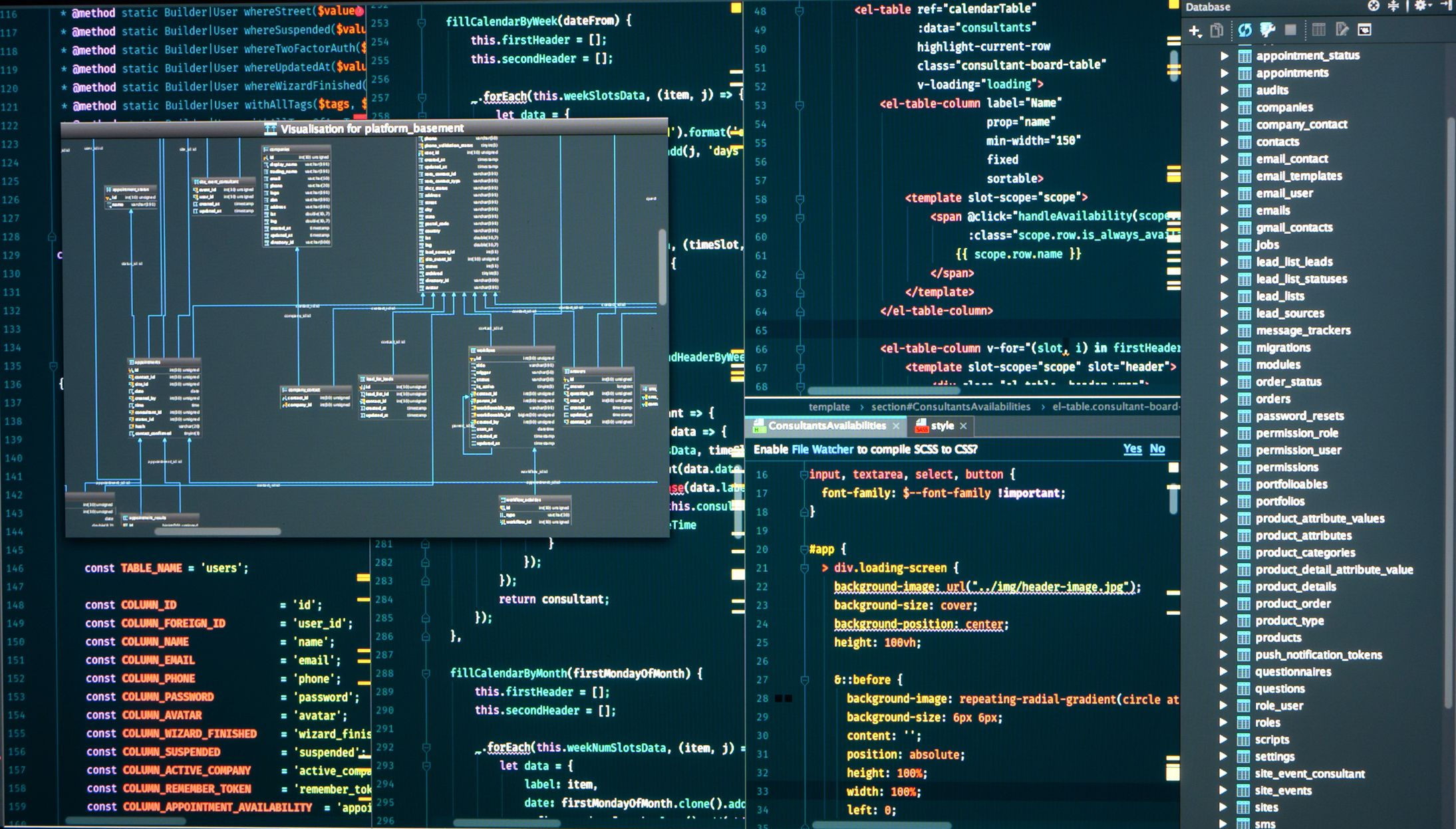
How Database Design Supports the Development of Future AI Solutions
Data is the foundation of artificial intelligence (AI) and machine learning (ML) systems. However, the success of an AI project depends not only on the quantity and quality of the data but also on how you store and manage it. Database design plays a critical role in building AI solutions that are scalable, fast, and accurate. In this blog, we explore how database design supports future AI projects and highlight best practices you should consider.
1. Data Integrity and Quality Assurance: The Foundation of Effective AI
Ensuring data integrity is essential for the successful operation of AI models. The accuracy, consistency, and reliability of data directly affect model performance. The goal of database design is to create structures that ensure the integrity of data, minimizing data gaps and duplication.
How can database design help AI?
- Normalization: Reduces redundancy and ensures data consistency.
- Data cleaning: Structured databases allow faster data preparation for modeling.
2. Scalability: The Foundation for AI’s Future
As AI projects grow, the volume of data increases dramatically. Databases must handle this growth while enabling fast queries and real-time processing.
How can you ensure scalability?
- Relational vs. NoSQL databases: Relational databases suit structured data, while NoSQL supports flexible, large-scale unstructured data.
- Cloud-based solutions: Platforms like AWS and Google Cloud allow automatic scaling as demand grows.
3. Data Access and Performance Optimization: Fast and Accurate Results
Training and deploying AI models requires rapid, accurate access to data. Database design directly impacts performance in real-time applications like fraud detection or financial forecasting.
Performance optimization techniques:
- Indexing: Speeds up data queries for model training and predictions.
- Partitioning: Divides large datasets into smaller, manageable units for faster processing.
4. Data Security: Reliable AI Solutions
Security is paramount, especially when handling sensitive or regulated information. Good database design ensures protection without compromising access speed.
How can you ensure data security?
- Encryption: Protect data at rest and in transit.
- Access control: Use role-based permissions to restrict sensitive data access.
5. Data Interoperability: Integrating AI Applications
AI databases must interact with other enterprise systems. Interoperability ensures seamless data flow between platforms.
Best practices for interoperability:
- API usage: Enable API-based access for smooth integration.
- Standardized formats: Use JSON, XML, or similar formats to simplify data exchange.
Conclusion
Database design plays a vital role in the success of AI and ML projects. A well-structured database ensures efficiency, scalability, security, and interoperability, forming the solid foundation AI solutions rely on.
The AI solutions of tomorrow will be built on the database foundations you design today—so ensure they are robust, secure, and future-ready.
📩 Contact us today at info@syntheticaire.com to learn how we can support your AI transformation.
Because your organization deserves customized solutions and proven results.